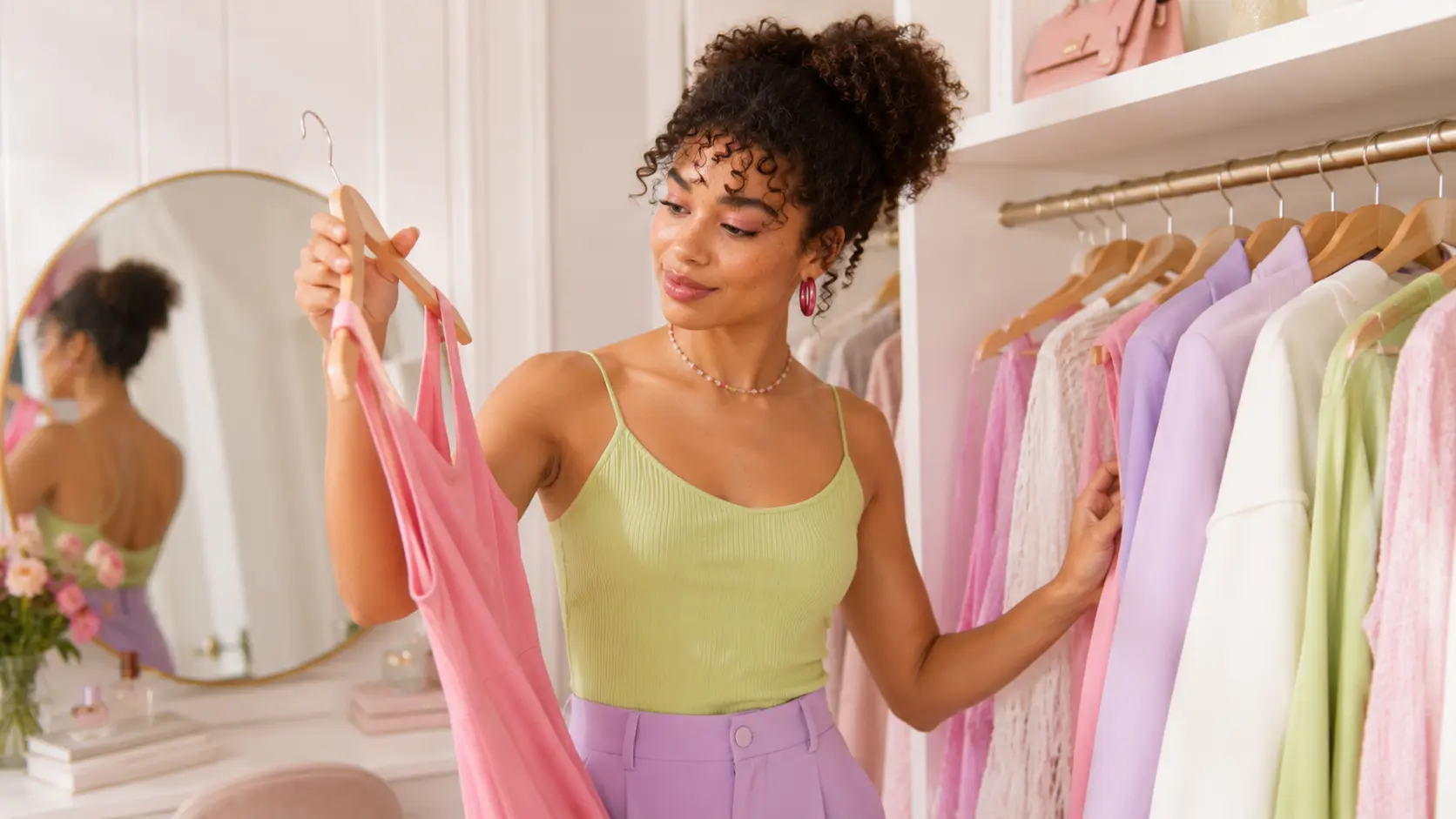
A closet styling guide helps you turn organized clothing into outfits you actually want to wear. Decluttering creates space, but styling creates usefulness. Many wardrobes contain good pieces that rarely work together. The issue may be layout, missing basics, unclear color stories, or forgotten accessories. A thoughtful styling approach helps your closet feel more intentional. You begin to see combinations instead of isolated items. Getting dressed becomes faster because your options make sense. Style also feels more personal when it grows from your real wardrobe. With a clear method, your closet can inspire you again.
Your favorite pieces offer useful clues. Pull the clothes you reach for most often. Notice their fabrics, colors, shapes, and fit. These preferences reveal your actual style better than saved images online. Then compare your favorites with items you rarely wear. The contrast may show what feels uncomfortable or impractical. A wardrobe styling routine helps translate those clues into outfits. Start with pieces that already feel good. Build around them intentionally. Confidence grows when your closet reflects what you enjoy wearing now.
Outfit building becomes easier when related items live near one another. Keep tops, bottoms, layers, shoes, and accessories in clear categories. Then create a small styling zone for current favorites. This area can hold weekly outfit ideas or next-day looks. It reduces morning decisions and prevents forgotten combinations. Try pairing one statement piece with two reliable basics. Add accessories last. This simple formula keeps outfits balanced. A closet styling system can help organize those pairings. Over time, your wardrobe feels more creative and less chaotic.
Color can simplify a wardrobe quickly. Choose a few base neutrals that appear often in your closet. Then identify accent colors you enjoy wearing. When colors repeat, outfits come together with less effort. This does not mean your wardrobe must become boring. It means your pieces communicate better. Arrange clothing by color within categories if that helps your eye. Notice which colors brighten your face and mood. Release shades that never feel right. A focused color story saves time. It also makes shopping more intentional because new pieces must work with what you own.
Styling sessions often reveal practical gaps. You may own beautiful tops but lack the right jeans. You may have dresses but no comfortable layering pieces. Write down missing basics after trying outfits, not before. This prevents imagined needs from becoming unnecessary purchases. Look for pieces that connect several outfits. A useful basic should support your style quietly. It should fit well, launder easily, and work across settings. A closet makeover guide can help prioritize those purchases. Smart gaps are better than random shopping lists.
Outfit formulas remove pressure from daily styling. A formula might be straight jeans, soft knit, structured jacket, and loafers. Another might be midi dress, belt, light layer, and boots. The pieces can change while the structure stays familiar. This gives you variety without starting from zero. Save formulas that make you feel polished. Photograph outfits when they work especially well. Keep notes on weather, comfort, and occasion. Repeating a strong formula is not boring. It is efficient. Personal style often becomes clearer through thoughtful repetition.
Accessories can change the mood of familiar clothing. A belt can define shape. Earrings can brighten a simple neckline. Scarves, bags, and shoes can add color or texture. Keep accessories visible enough to use. Store them near the outfits they complete. Edit pieces that feel outdated or uncomfortable. Try finishing each outfit with one deliberate detail. This habit makes everyday dressing feel more styled. It also helps you use items already in your closet. Accessories should create polish without adding clutter.
Style works best when it respects your actual day. A beautiful outfit that fails your commute will not become a favorite. Consider walking, sitting, temperature, errands, and dress codes. Keep weather-ready layers accessible. Place comfortable shoes near outfits that need them. Build looks for your real calendar before special events. This practical lens prevents closet frustration. It also helps you identify pieces that only work in theory. The best wardrobe supports movement. It lets you feel prepared, comfortable, and visually aligned with the day ahead.
Styling requires maintenance, just like organization. Return accessories after wearing them. Launder key basics before they disappear from rotation. Repair small issues quickly. Remove items that consistently ruin outfits. Review saved outfit photos monthly. Repeat combinations that worked well. Adjust formulas as seasons change. A closet styling guide becomes more useful when you treat it as a living system. Your wardrobe should evolve with your body, schedule, and taste. That flexibility keeps style fresh without encouraging constant shopping.
Confidence grows when your wardrobe feels understandable. You know which pieces support you. You see why certain outfits work. You shop with more restraint because your style has clearer boundaries. Getting dressed becomes less about pressure and more about expression. Even a modest wardrobe can feel rich when pieces connect well. Organization gives you access. Styling gives that access meaning. With thoughtful formulas, visible accessories, and honest editing, your closet becomes a useful creative space. The best outfits may already be waiting inside it.



Leave a comment